
- 1
- 1
- 1
- 1
Gjirokaster
Gjirokastër, also known as Gjirokastra, is a charming city in southern Albania renowned for its well-preserved Ottoman architecture, rich history, and cultural heritage. Often referred to as the “City of Stone,” Gjirokastër’s unique aesthetic and historical significance have earned it a place on the UNESCO World Heritage list.
Key Features of Gjirokastër:
- Historical Significance:
- Ottoman Era: Gjirokastër flourished under Ottoman rule, becoming a major administrative and commercial center in the region. The city’s distinctive architecture, with stone houses and cobbled streets, reflects its Ottoman heritage.
- World War II: The city also played a significant role during World War II, with various historical sites related to this period.
- Architectural and Historical Sites:
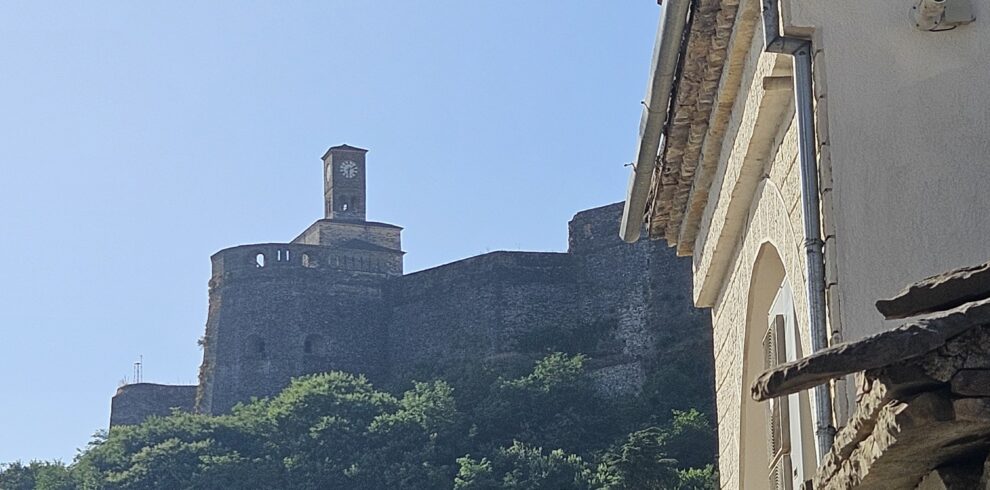
- Gjirokastër Castle: Dominating the city skyline, this massive fortress dates back to the 12th century and was expanded during Ottoman times. The castle houses a military museum with artifacts from different periods, including World War II. It also hosts the National Folk Festival every five years.
- Old Bazaar: The heart of the city’s commercial life during Ottoman times, the bazaar area is lined with traditional shops selling crafts, souvenirs, and local products. The bazaar is also home to several well-preserved Ottoman-era buildings.
- Historic Houses: Gjirokastër is famous for its traditional stone houses with distinctive architectural features. Notable houses include the Zekate House and the Skenduli House, both of which offer insights into the lifestyle of wealthy Ottoman families.
- Ethnographic Museum: Located in the house where Albania’s former communist leader, Enver Hoxha, was born, this museum showcases traditional costumes, household items, and tools, providing a glimpse into the region’s cultural history.
- Cultural Heritage:
- National Folk Festival: Held every five years in the castle, this festival is a major event celebrating Albanian folk music, dance, and traditions. It attracts performers and visitors from across the country and beyond.
- Cultural Events and Festivals: Gjirokastër hosts various cultural events throughout the year, including music and arts festivals, which highlight its vibrant cultural scene.
- Natural Attractions:
- Drino Valley: The city overlooks the picturesque Drino Valley, offering stunning views and opportunities for hiking and exploring the natural landscape.
- Blue Eye (Syri i Kaltër): A natural spring located about 25 kilometers from Gjirokastër, famous for its deep blue water and unique beauty. It’s a popular spot for visitors seeking to enjoy the serene natural surroundings.
- Local Cuisine:
- Traditional Albanian Dishes: Gjirokastër is known for its culinary delights, including “qifqi” (rice balls with herbs), “pashaqofte” (meatballs), and various local desserts. The city’s restaurants and cafes offer a taste of authentic Albanian cuisine.
- Accessibility:
- Location: Gjirokastër is situated in southern Albania, making it accessible from major cities like Tirana and Saranda. The improved road infrastructure has made travel to Gjirokastër more convenient for tourists.
Gjirokastër’s blend of historical charm, cultural richness, and natural beauty makes it a must-visit destination in Albania. Whether exploring its ancient castle, wandering through its historic bazaar, or enjoying its traditional cuisine, visitors to Gjirokastër are sure to experience a unique and memorable journey.
Departure: Tirana/Durres Duration: 13 hours (06:30–19:30)
Blue Eye Sarande, Gjirokaster
2 People
Duration
1 Day
€90
Next Departures
April 17, 2026 (Available)April 18, 2026 (Available)April 19, 2026 (Available)